



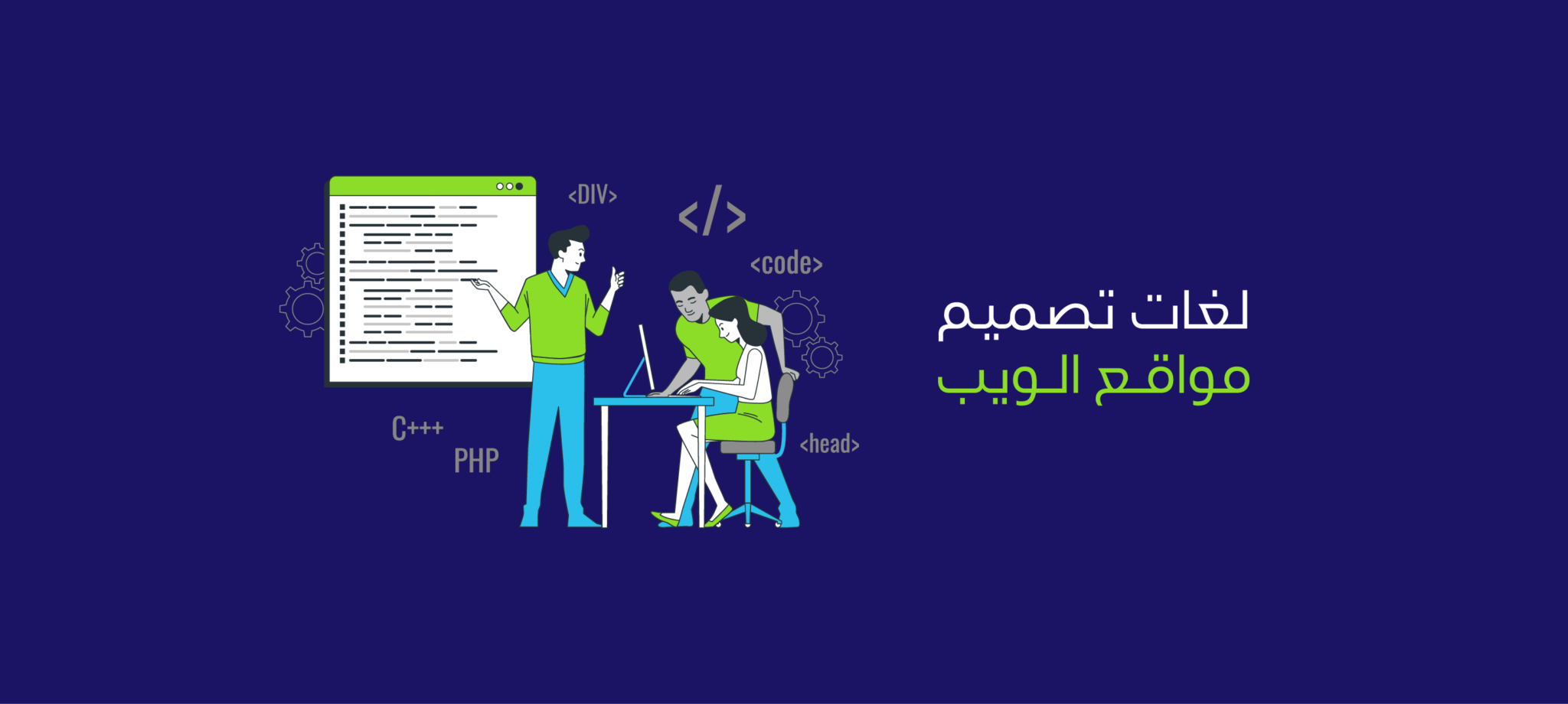
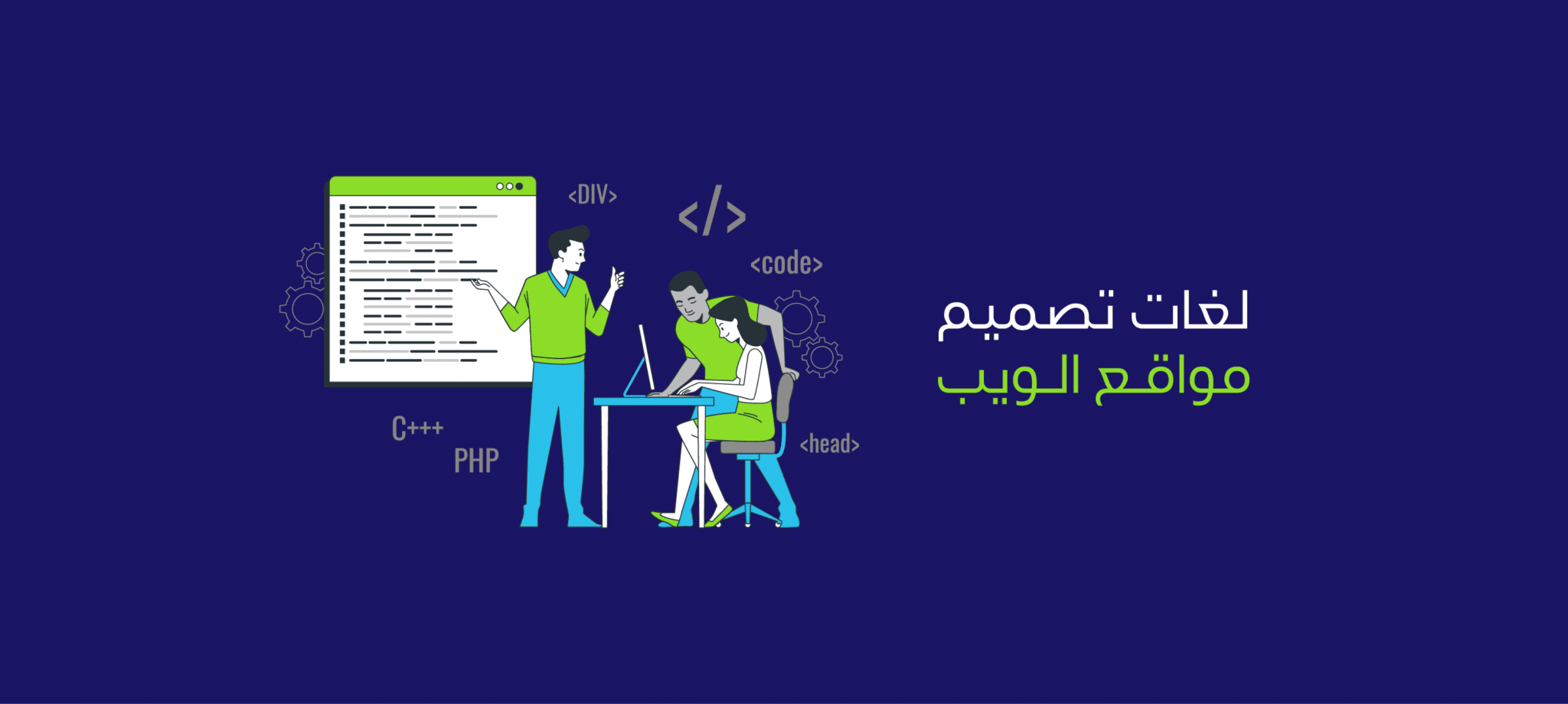
Web design languages form the backbone of the internet, playing a vital role in building and developing the web pages we browse every day. From the early days of the internet to the present, these languages have evolved considerably, giving designers and developers more advanced and flexible tools for creating engaging, interactive websites. In this article, we explore leading web design languages and technologies such as HTML, CSS, and JavaScript, and explain how they work together to create an outstanding user experience. We also look at their history and evolution, highlight important features and innovations, and share practical applications and tips for building more effective and appealing websites.
What Are the Most Important Web Design Languages?
HTML (HyperText Markup Language):
- Description: A markup language used to create the structure of web pages.
- Purpose: Defines page elements such as headings, paragraphs, links, images, and tables.
CSS (Cascading Style Sheets):
- Description: A style sheet language used to control the appearance of web pages.
- Purpose: Defines colors, fonts, sizes, layouts, and other visual styles to make pages more attractive.
JavaScript:
- Description: A scripting language used to add interactivity to web pages.
- Purpose: Enables interactive features such as forms, animations, and games.
PHP (Hypertext Preprocessor):
- Description: A programming language used to create dynamic, interactive web pages.
- Purpose: Runs on the server to generate content based on user requests.
Python:
- Description: A general-purpose programming language widely used in web development through powerful frameworks such as Django and Flask.
- Purpose: Supports the development of complex, responsive web applications.
Ruby:
- Description: A programming language used to develop websites and applications, particularly through the popular Ruby on Rails framework.
- Purpose: Makes it easier to write clean, efficient code for complex web applications.
SQL (Structured Query Language):
- Description: A language used to manage relational databases.
- Purpose: Enables data to be stored, queried, and retrieved efficiently.
TypeScript:
- Description: A programming language built on JavaScript that adds capabilities such as static type checking.
- Purpose: Makes code easier to write and maintain, especially in large projects.
Swift:
- Description: An Apple-developed programming language primarily used to build applications for iOS and other Apple platforms.
- Purpose: Provides a fast and safe development environment for high-performance applications.
Each of these languages and technologies plays an important role in web design and development. Together, they help create distinctive, efficient user experiences.
How These Languages Work Together to Create an Outstanding User Experience
Using and integrating web design languages effectively requires a clear understanding of how each technology works and the role it plays in development. Here is how these languages can be used together:
- HTML:
- Use: HTML provides the foundation and structure of a page. It defines essential elements such as headings, paragraphs, images, and links.
- Integration: It is the starting point for every web page. Without HTML, browsers cannot interpret the website’s core elements.
- CSS:
- Use: CSS applies visual styling to HTML elements. It controls colors, fonts, layouts, and spacing.
- Integration: CSS can be connected to HTML through <style> tags within the document or through external files. Separating presentation from content makes websites easier to maintain.
- JavaScript:
- Use: JavaScript adds interactivity and dynamic behavior to a website. It can control HTML elements and CSS styles to create responsive page experiences.
- Integration: JavaScript is added to HTML pages through <script> tags or external files. It interacts with HTML and CSS to update content or styling in response to actions such as clicks, typing, or pointer movement.
- PHP:
- Use: PHP creates dynamic web pages that are processed on the server. It can manage databases and sessions and generate HTML dynamically.
- Integration: PHP can be embedded in HTML files and is executed on the server before the page is sent to the browser. It also integrates with databases such as MySQL to store and retrieve data.
- Python:
- Use: Python is used in web development through frameworks such as Django and Flask to build fast, scalable web applications.
- Integration: Python frameworks provide an integrated environment with essential web development tools, including session management, database access, and application programming interface (API) development.
- SQL:
- Use: SQL manages and retrieves data from relational databases. It works with programming languages to build websites that store user data and present it in different ways.
- Integration: SQL is commonly used with PHP or Python to access databases and run queries that retrieve or modify the required data.
- TypeScript:
- Use: TypeScript supports the development of large and complex web applications through features such as static type checking.
- Integration: It builds on JavaScript and helps teams produce clean, maintainable code. TypeScript is compiled into JavaScript so that it can run in web browsers.
- Ruby:
- Use: Ruby is commonly paired with the Ruby on Rails framework to develop web applications quickly and efficiently.
- Integration: Rails provides a clear application structure and integrates easily with databases, allowing developers to build advanced functionality with less effort.
Integrating these technologies to create an outstanding user experience involves:
- Page structure (HTML): The project begins by creating the page structure with HTML.
- Design and presentation (CSS): Styles and visual design are applied to the structural elements using CSS.
- Interactivity and dynamic behavior (JavaScript): Interactive features, including buttons and dynamic forms, are added with JavaScript.
- Data processing (PHP/Python): Languages such as PHP or Python process data on the server and interact with databases.
- Data management (SQL): SQL manages the data stored in relational databases.
- Clean, maintainable code (TypeScript/Ruby): TypeScript or Ruby can support the development of large, complex web applications with clean, maintainable code.
By integrating these web technologies, developers can create interactive, responsive, and visually engaging websites that deliver a better overall user experience.
The Evolution of Web Design Languages
Web design languages have evolved over several decades to meet users’ growing and continually changing needs. Here is an overview of that evolution:
1. HTML (HyperText Markup Language):
- History: HTML first appeared in the early 1990s with the emergence of the World Wide Web.
- Evolution: The first version was relatively simple, but the language expanded over time. HTML5 became an official standard in 2014, introducing advanced capabilities such as native video and audio, graphics, and interactive web applications without plugins such as Flash.
2. CSS (Cascading Style Sheets):
- History: CSS emerged in the mid-1990s, becoming an official standard in 1996, to provide a way to separate content from presentation.
- Evolution: CSS began with basic styling capabilities and gradually gained advanced layouts, animations, Grid, and Flexbox. These features make it easier to create interactive and responsive user interfaces.
3. JavaScript:
- History: JavaScript was developed in 1995 to bring dynamic interaction to web pages.
- Evolution: JavaScript grew into one of the world’s most popular programming languages. Frameworks and libraries such as jQuery, React, Angular, and Vue.js have made it easier to develop complex, interactive web applications.
4. PHP (Hypertext Preprocessor):
- History: PHP, one of the best-known technologies in web development, emerged in 1995 as a tool for creating dynamic web pages.
- Evolution: PHP has developed significantly through new features and performance improvements, becoming one of the most widely used server-side languages.
5. Python:
- History: Although Python itself is not new—it was conceived in the late 1980s and first released in 1991—its use in web development has grown substantially over the past two decades.
- Evolution: Frameworks such as Django and Flask have made Python a popular choice for developing fast, scalable web applications.
6. Ruby:
- History: Ruby was developed in the mid-1990s, and its use in web development expanded after the Ruby on Rails framework emerged in the early 2000s.
- Evolution: Ruby on Rails introduced a fast, efficient approach to web application development, with an emphasis on simpler code and greater productivity.
7. SQL (Structured Query Language):
- History: SQL emerged in the 1970s as a language for managing relational databases and later became essential to data-driven web applications.
- Evolution: SQL has continued to develop, adding capabilities and improving performance to support modern applications that process large volumes of data.
8. TypeScript:
- History: Microsoft developed TypeScript in 2012 as an extension of JavaScript.
- Evolution: TypeScript introduced features such as static type checking and enhanced code completion, making code easier to write and maintain, particularly in large projects.
How This Evolution Has Influenced Web Design:
- Better performance: Advances in web technologies have improved website speed, performance, and efficiency.
- Greater interactivity: JavaScript and its ecosystem of frameworks have made websites more interactive and responsive to user input.
- Stronger security: Modern languages, frameworks, and development practices offer advanced security capabilities that help protect users and data.
- Improved user experience: Advances in HTML and CSS have enabled more attractive, accessible, and user-friendly websites, improving the overall experience.
The Future of Web Design Languages:
- Emerging technologies: Technologies such as WebAssembly and Progressive Web Apps (PWAs) continue to reshape how web applications are built and used.
- Artificial intelligence integration: AI technologies are expected to play a greater role in personalizing user experiences and improving website performance.
Web design languages and technologies continue to evolve in response to the demands of the modern digital economy, strengthening our ability to create distinctive and effective online experiences.
Read more :
13 Essentials for Designing a Successful E-Commerce Website
15 Services Offered by Web Design Companies


